-
March 30, 2017
The Trees by Ali Shaw: a review by Maureen Kincaid Speller
March 30, 2017By Maureen Kincaid Speller The Trees — Ali Shaw (Bloomsbury) I put this novel on my shadow shortlist after reading the...
10 -
March 29, 2017
The Destructives by Matthew de Abaitua: a review by Megan AM
March 29, 2017By Megan AM The Destructives — Matthew De Abaitua (Angry Robot) His instinct was to remember everything about individual humans. The...
-
March 29, 2017

On Last Year’s Language: a keynote delivered at the Virtual Futures Salon
March 29, 2017By Dr. Helen Marshall, General Director of the Centre for Science Fiction and Fantasy This was adapted from the...
-
March 28, 2017

Occupy Me by Tricia Sullivan: a review by Paul Kincaid
March 28, 2017By Paul Kincaid Occupy Me — Tricia Sullivan (Gollancz) Uncertainty is underrated as a state of consciousness. I don’t think my...
-
March 27, 2017
The Power by Naomi Alderman: a review by Nick Hubble
March 27, 2017By Nick Hubble The Power — Naomi Alderman (Penguin Viking) In a recent article for the Guardian, ‘How to build a...
-
March 24, 2017
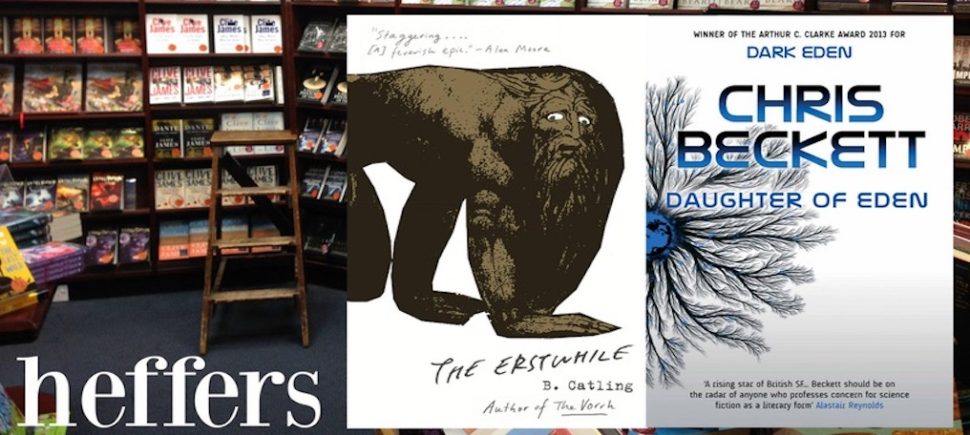
Heffer’s Bookshop Presents Sci-Fi and Fantasy with Brian Catling and Chris Beckett
March 24, 2017On 27th April, join acclaimed fantasy writers Brian Catling and Chris Beckett at Heffers as they talk about Brian’s...
-
March 24, 2017
Queer Sci Fi Flash Fiction Contest: “Renewal” (Due 10 April)
March 24, 2017“Every year, Queer Sci Fi holds a flash fiction contest to create an amazing new anthology of queer speculative...
-
March 24, 2017
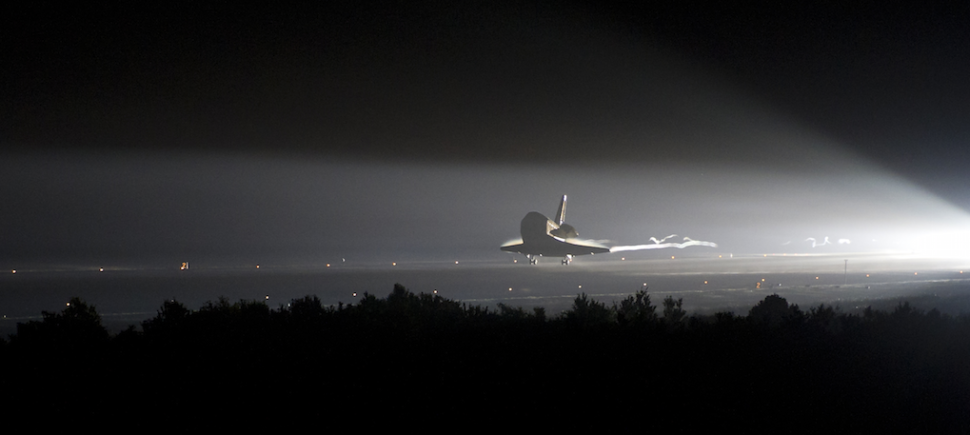
Central Station by Lavie Tidhar: a review by Victoria Hoyle
March 24, 2017By Victoria Hoyle Central Station — Lavie Tidhar (PS Publishing) I entered into Central Station with few expectations. It was my...
-
March 23, 2017
Good Morning, Midnight by Lily Brooks-Dalton: a review by Megan AM
March 23, 2017By Megan AM Good Morning, Midnight — Lily Brooks-Dalton (Wiedenfeld & Nicolson) Good Morning, Midnight is a bit of a shortlist...
-
March 22, 2017
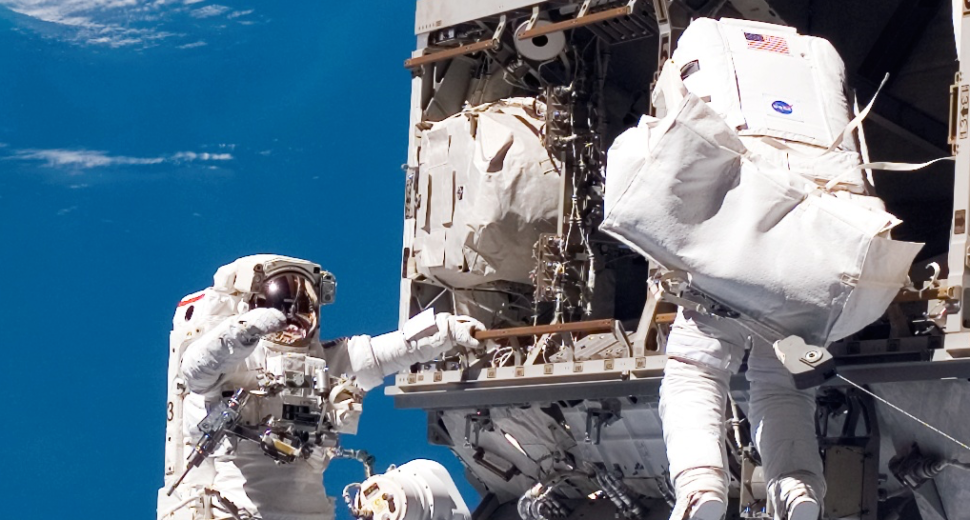
The Many Selves of Katherine North by Emma Geen: a review by David Hebblethwaite
March 22, 2017By David Hebblethwaite The Many Selves of Katherine North — Emma Geen (Bloomsbury) When she was young, Katherine North went on...
Archive for 2017
About The Centre
The Centre for Science Fiction and Fantasy connects two major strengths within Anglia Ruskin University: writing and publishing alongside literary criticism. It is comprised of Faculty members, associate lecturers and postgraduate and undergraduate students.